Emergency in Northern Argentina: Native Communities in Danger
It has been only one week since the conflict between the government and the native communities of Jujuy exploded, reaching its peak on June 20th, Argentina's National Flag Day. The government aims to modify the local constitution, but pe…
It has been only one week since the conflict between the government and the native communities of Jujuy exploded, reaching its peak on June 20th, Argentina's National Flag Day.
The government aims to modify the local constitution, but people resist. After seven days of harsh police repression and disregard for human rights and the national constitution, Governor Gerardo Morales shows no intention of reconsidering his authoritarian decisions.
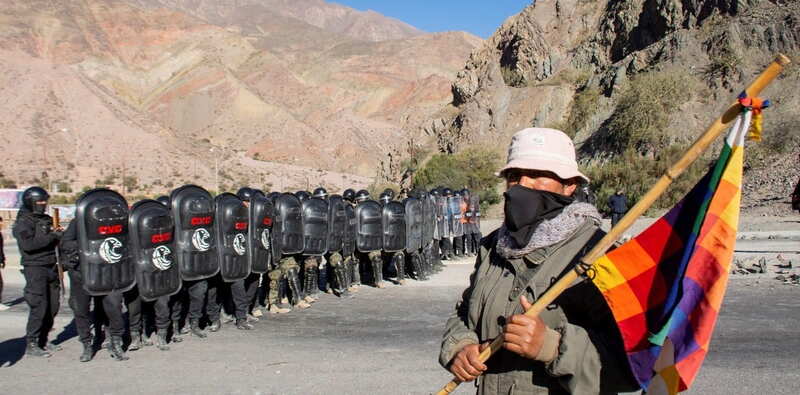
The age-old struggle of native communities for water and land rights received a blow from the local government when they announced the reform of the local constitution, which involved the removal of human and land rights for the native communities and the criminalization of road and street blockades during protests. Such modifications not only violate the National Constitution of Argentina but also jeopardize the province's democracy by legally punishing protests. This criminalization of social marches evokes painful memories of the dictatorship that Argentina endured 40 years ago.
As a result, native communities from various parts of the province began marching from the mountain villages toward the city on June 15th. Their aim was to join forces with the protagonists of another ongoing major conflict: the public health and education sectors. Unfortunately, the first instance of police repression occurred before they could reach downtown, happening on the 16th when a large group of protestors took to the streets upon learning that the reform had been approved without public consent.
Contrary to the government's expectations, the violence against the marchers fueled the conflict further, inspiring more communities to join the strike and block strategic national routes 9 and 51, in the hope that Morales would retract his anti-democratic constitutional reform.

Native Communities' Right to Land in Argentina
Although Article 17, Section 75 of the constitution states that the nation "recognizes the ethnic and cultural preexistence of native communities and shall protect their legal status, right to land, and public participation in decision-making concerning their territory," the government of Jujuy conveniently ignores the constitution when it comes to leasing ancestral land for industrial exploitation.
The local constitution reform aims to displace these communities from their territories, alleging their lack of ownership deeds. Besides, the reform grants private industries, which possess access to bureaucracy and ownership deeds, unrestricted access to ancestral territories, and free use of water resources for mining production. Despite the government's efforts to create a positive image for its extractivist plan, the population is facing the reality that their land's water and environment are suffering the consequences of this model.
A Strategic Encounter
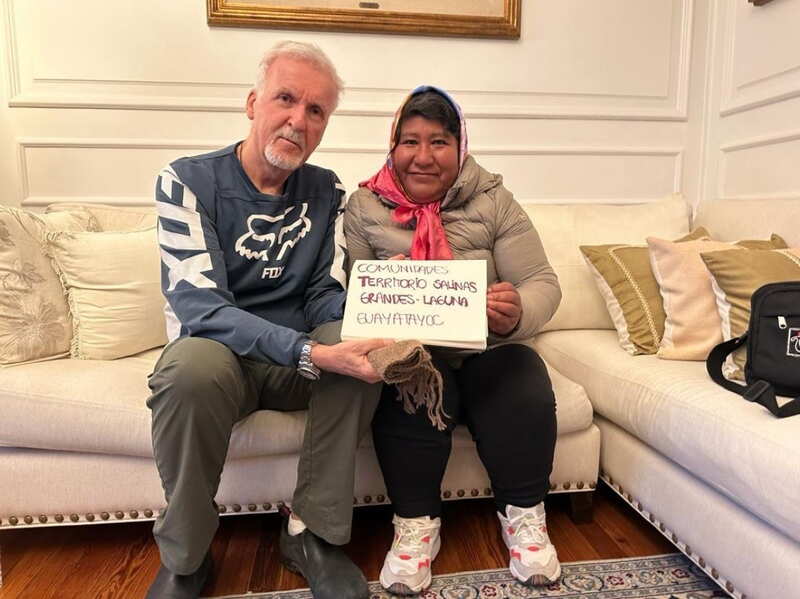
The photograph of James Cameron with a representative of the native communities went around the world, as did the director's comments about his encounter with Governor Gerardo Morales. Cameron stated, "I walked into an ambush" when he realized that the government had its own agenda regarding his visit to Argentina.
The entire plan was to use Cameron's image to spin a false environmental narrative around the extreme lithium mining operation in the region. After Gerardo Morales published a tweet thanking Cameron for his visit to Jujuy, the movie director received over 30 letters from different communities asking him to cancel his trip or meet with them so they could explain the conflict. Veronica Chavez was one of the activists who did everything she could to arrange a meeting with James Cameron, and she succeeded. After the meetings, the director admitted to being unaware of the conflict until that encounter and openly expressed his support for the native communities' fight for water and land rights.
What Happened on June 20th?
After a tense weekend, Governor Gerardo Morales once again betrayed his population. Initially, he announced the withdrawal of the constitution reform, but ultimately, he pledged to approve the new constitution behind closed doors in front of lawmakers. Public outrage quickly spilled onto the streets, with people demanding Gerardo Morales' resignation. In response, the government granted the police forces full freedom to suppress the protesters, resulting in dozens of injuries, unlawful detentions, and even undercover agents provoking disturbances to justify the violence against the genuine protestors.
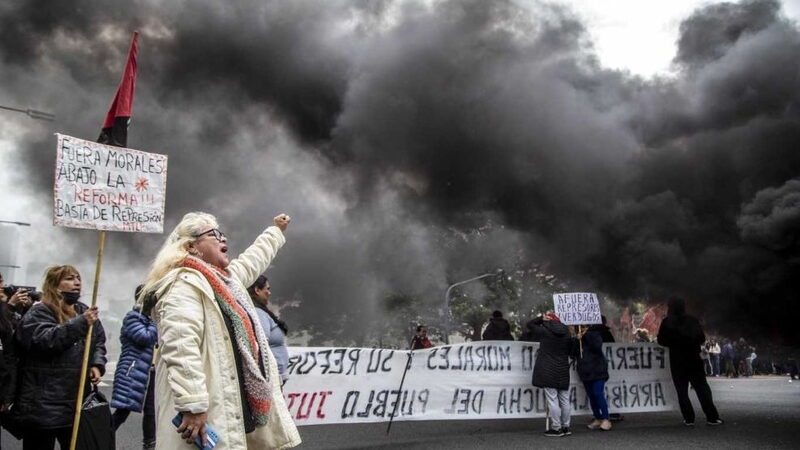
Several human rights organizations had to intervene in the province to demand explanations about the health and legal situation of the detained individuals. The Argentine government claimed that the new constitution of Jujuy may undergo evaluation and be dismissed due to violations of the country's Magna Carta. On top of all that, the UN High Commissioner for Human Rights expressed its concern and demanded to take the correct and legal path in order to ensure peace and a fair agreement with the native communities.
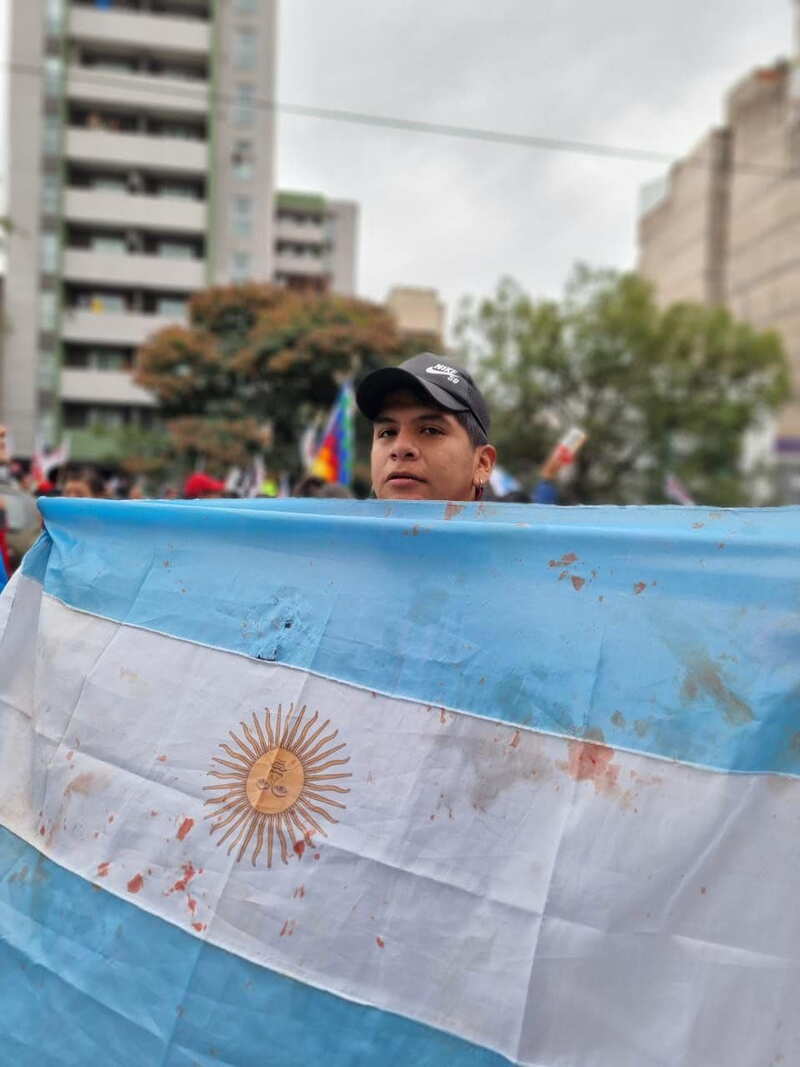
The blockades of native communities in Route 9 continue, the inhabitants of Jujuy are living in a state of uncertainty and, at the same time, experiencing high levels of social discomfort. People continue to demand the repeal of the new constitution, and more organizations, companies, and individuals from the private sector are joining the fight. It remains to be seen whether the governor will listen to the people he is accountable to or accept the consequences of the social disruption he has created.