
Climate change is one of the most pressing challenges facing humanity and the planet earth.

Just as a stone dipped into a basin full of water creates ripples, green infrastructure exerts a similar “voodoo” on climate change. Climate change is the most uttered phrase presently on the streets of Ghana.
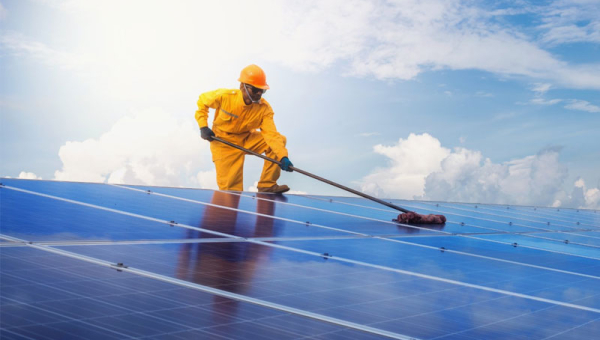
The UN Environment Programme (UNEP) defines "green jobs" as jobs "whose goal is to preserve or restore the quality of the environment."

Climate change has perched a prop in our society, increasing rapidly with the passing seconds, days, and years. What was once a mere trickle of climatic disruptions has now burst its boundaries, unleashing profound repercussions that extend even into our sanctuaries.
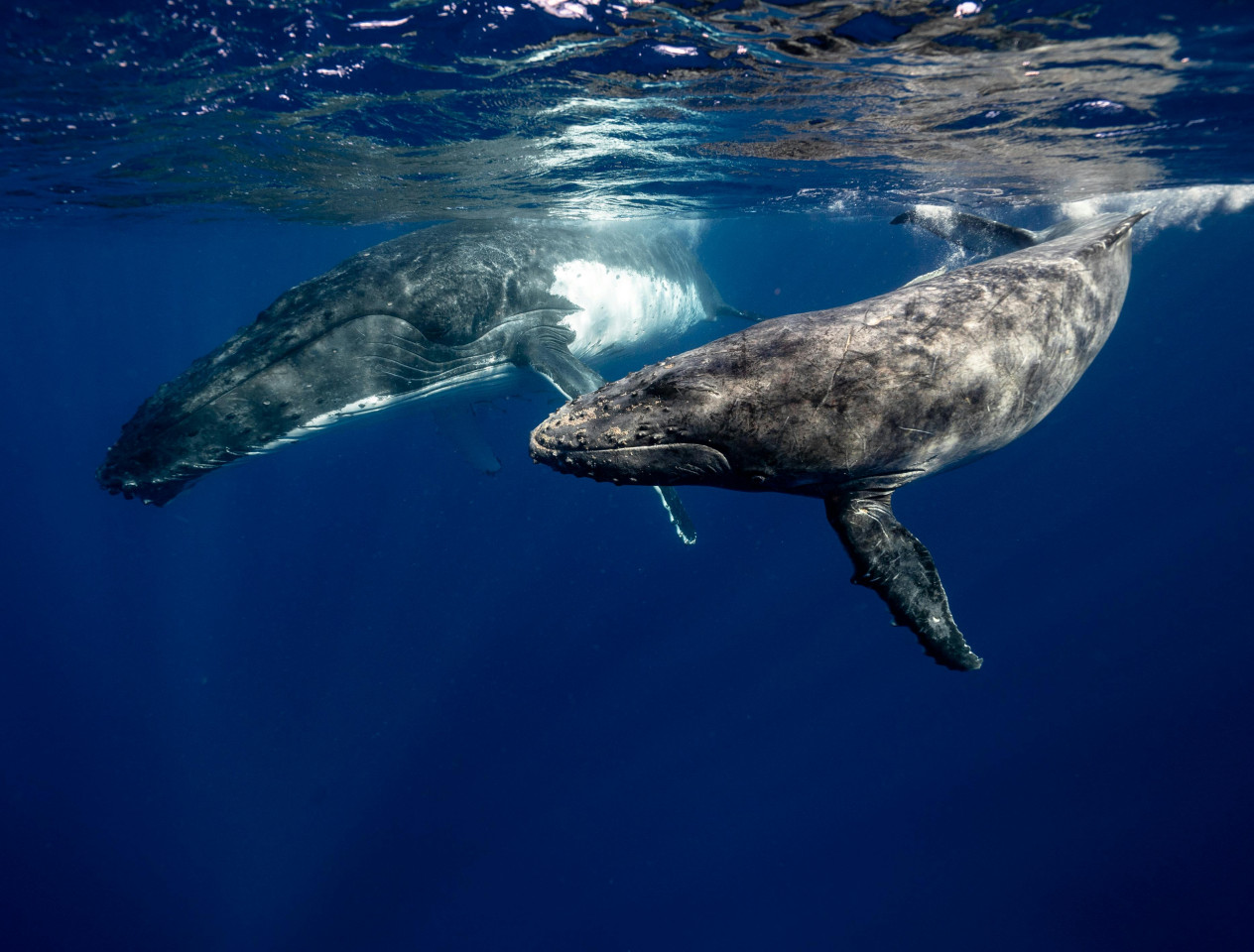
The ocean and coastal ecosystems are important carbon sinks. A carbon sink is a natural or man-made reservoir that uses physical and biological processes to absorb and store carbon from the atmosphere.

A circular economy is an economic model of production and consumption of goods which involves any of the aspects – Reduce, Reuse, Recycle and Remanufacture.
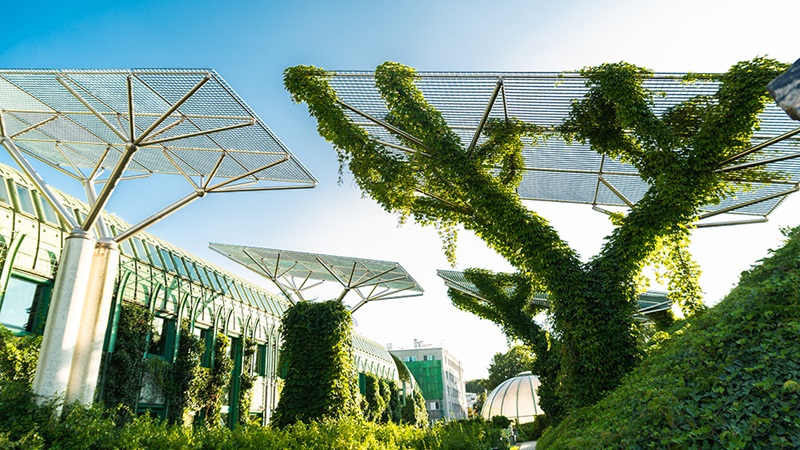
How would you feel if you moved to a city for a great job with good pay and supportive colleagues, only to develop asthma, dry eyes, and thinning hair within months due to the effects of climate change?
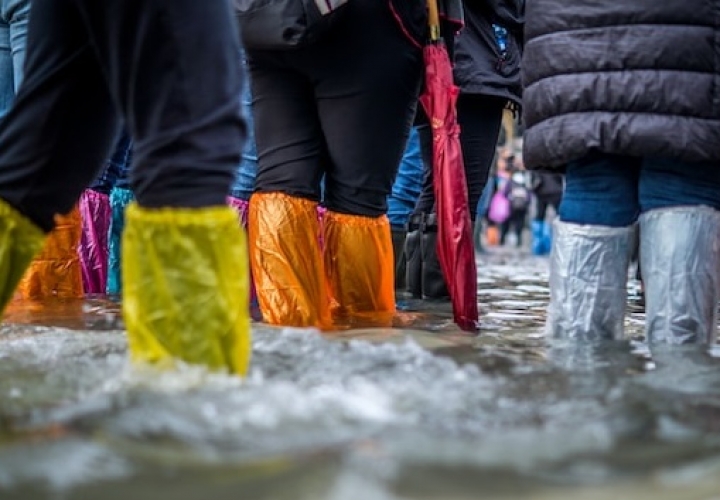
Floods are becoming ever more prevalent due to global climate change. In Europe, 4 million people were impacted by flooding between 2010 and 2020, with nearly a thousand people losing their lives and five thousand losing their homes.
 Source: FAO
Introduction :The complex and interdependent relationship between climate change and food security continues to unfold, presenting new challenges that threaten global nourishment. As temperatures rise and weather patterns become unpredictable, another critical concern emerges: the impact of climate change on crop pests and diseases. This article explores how changing climatic conditions influence the prevalence and distribution of agricultural pests and diseases, exacerbating the existing food security crisis.
The Pervasive Influence of Climate Change on Crop Pests and Diseases Range Expansion of Pests and Diseases Climate:
change has led to shifts in the geographical distribution of various pests and diseases that affect crops. As temperatures warm, regions that were previously unsuitable for certain pests become conducive to their survival and reproduction. Consequently, these pests expand their ranges into new territories, threatening agricultural production in areas where farmers may not have prior experience in dealing with such infestations. Altered Pest Life Cycles The life cycles of many pests and diseases are intricately linked to temperature and weather conditions. With the changing climate, the timing of critical life stages, such as emergence, reproduction, and hibernation, can be disrupted. This disruption can lead to asynchronous relationships between pests and their natural predators or pathogens, potentially leading to pest outbreaks that devastate crops. Increased Pest Resistance Climate change can influence the evolution and adaptation of pests and diseases. In some cases, pests may evolve to become more resilient to traditional control measures, such as pesticides. As a result, farmers may find it increasingly challenging to manage infestations effectively, leading to potential crop losses and reduced yields.
Impact on Plant Health Climate change can directly affect plant health: making crops more susceptible to pests and diseases. For instance, elevated carbon dioxide levels in the atmosphere can alter the nutritional content of plants, making them more attractive to certain pests. Additionally, extreme weather events, such as heavy rainfall and prolonged humidity, create favorable conditions for the proliferation of pathogens that cause plant diseases. Threat to Crop Biodiversity Climate change-induced shifts in pest and disease patterns can pose a threat to crop biodiversity. Certain crop varieties may become more vulnerable to specific pests, leading to a reduction in crop diversity and genetic resources. The loss of diverse crops can limit the resilience of agriculture to future challenges, further exacerbating food insecurity.
Addressing the Challenges: Adaptation and Innovation To confront the escalating threat of crop pests and diseases in the face of climate change, agricultural practices must evolve to embrace adaptive strategies and innovative solutions:
Climate-Resilient Crop Breeding: Emphasizing the development of climate-resilient crop varieties that exhibit natural resistance to pests and diseases can help reduce reliance on chemical pesticides and enhance agricultural sustainability. Integrated Pest Management (IPM): Implementing IPM strategies that combine various pest control methods, such as biological control, cultural practices, and judicious use of pesticides, can promote sustainable pest management while minimizing environmental impacts.
Enhanced Surveillance and Early Warning Systems: Establishing efficient monitoring and surveillance systems can help detect pest and disease outbreaks early, enabling rapid responses and containment measures to limit their spread. Knowledge Sharing and Training: Facilitating knowledge exchange among farmers, researchers, and agricultural extension services can enhance awareness of emerging pests and diseases and disseminate effective pest management techniques.
Conclusion: The dynamic interplay between climate change and crop pests and diseases poses a serious threat to global food security. Sustaining agricultural productivity in the face of these challenges requires a proactive and holistic approach that combines climate adaptation measures, innovative technologies, and international cooperation. By collectively addressing the complex relationship between climate change and agricultural pests, we can strive to safeguard food security and build resilient food systems to withstand the uncertainties of a changing climate.

Across the globe, the relentless force of water has proven to be both a life-sustaining resource and a formidable adversary.
Featured
As the impacts of climate change continue to unfold, communities worldwide are confronted with the urgent need to adapt and look for solutions.
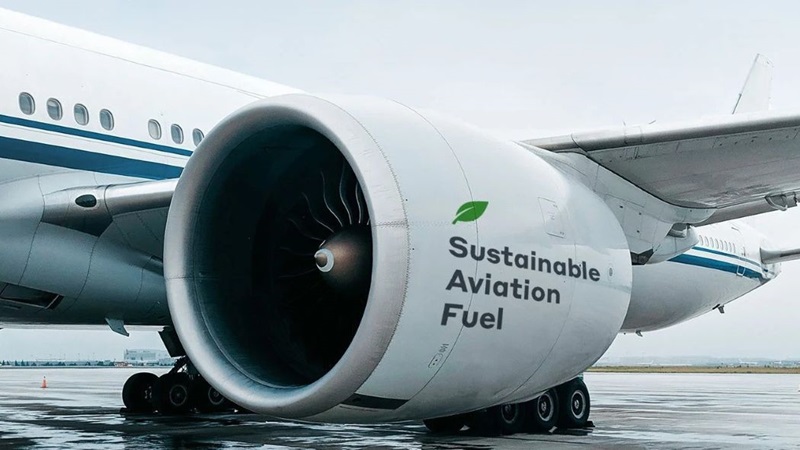
Rare innovations have revolutionized the way we connect, discover, and experience the world quite like air travel. Throughout history, aviation has connected people, countries, and continents while changing the fabric of our global society.