

South Africa, despite being an upper-middle-income country, is increasingly vulnerable to the harsh impacts of climate change. Over the years, the country has experienced severe weather events like droughts, wildfires, extreme temperatures, and particularly destructive floods.

It is 2024, and a stark reality confronts us: the climate is the sitting judge, passing verdicts on our actions. Unsustainable practices are the charge. The youth stand as the victims, bearing the cost of this ruling.

Energy is one of the most critical enablers of development in the modern world. It powers homes, businesses, schools, and hospitals, and plays a crucial role in enhancing productivity, improving living standards, and fostering economic growth.
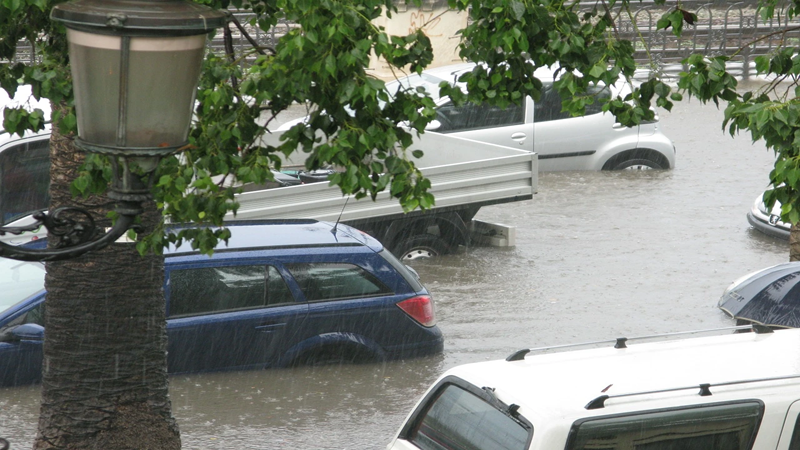
The recent floods that devastated Emilia-Romagna and other Italian regions have made it even clearer how necessary it is today to know how to deal with the consequences of climate change, both through short-term and long-term actions.

Environmental degradation affects ecosystems, air quality, water resources, and biodiversity. Its impacts are not felt equally by all segments of society. As the environmental justice movement grows, rights-based approaches to use of natural resources and the environment are making their way into legal reforms.

Lately, I've been reflecting on the challenges facing South Africa’s mining industry. It’s a sector that's always been close to my heart, but it’s hard to ignore the tough times it’s been going through. From fluctuating commodity prices to the rising demands for environmental responsibility, things are definitely changing.

Droughts in the prairies are just one of many important effects of climate change that Canada will undoubtedly experience. High latitude nations like Canada are anticipated to be most affected by global warming, including an increase in the frequency and severity of extreme weather events.
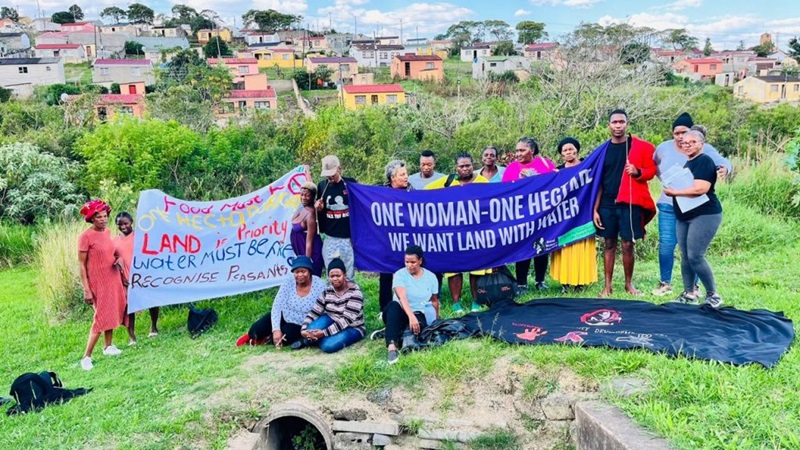
According to some academics, South Africa is a climate change hotspot and is already experiencing the disastrous effects of ongoing climate change.

Indonesia has a difficult dilemma as a result of climate change. The advantages of proactive mitigation measures offset the costs of inaction, all the while having an impact on international trade.

Climate Change is a pressing global issue, driven by increasing greenhouse gas emissions, particularly carbon dioxide (CO2), resulting from human activities. This demands urgent action without fundamentally altering how we generate and utilize energy, and safeguarding the environment.

With references to the discussions between the 26th Conference of the Parties (COP26), and the United Nations Framework Convention on Climate Change (UNFCCC), the adoption of renewable energy sources is presented as a fair and just transition for the South African (SA) population and the globe at large to combat the effects of climate change.

Climate change remains one of the most urgent global issues, impacting ecosystems, economies, and communities alike. In recent years, there have been significant strides in climate change sustainability, fueled by both international collaboration and grassroots initiatives.